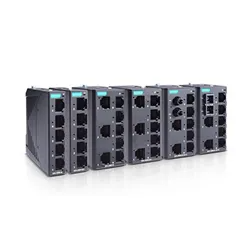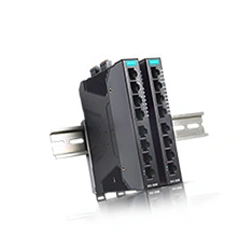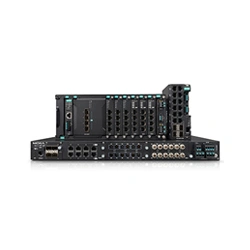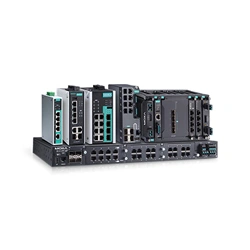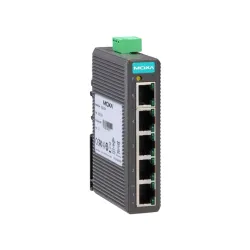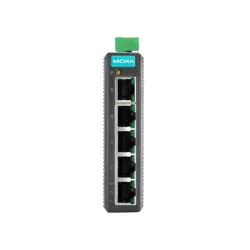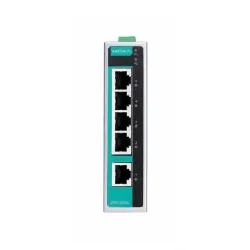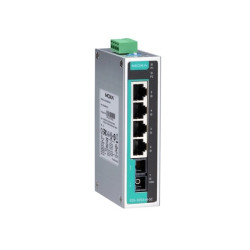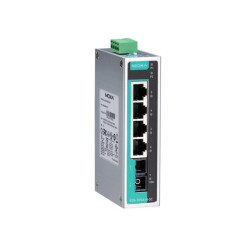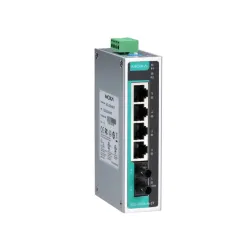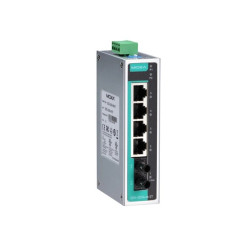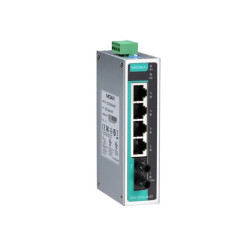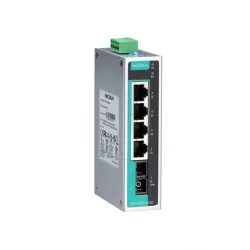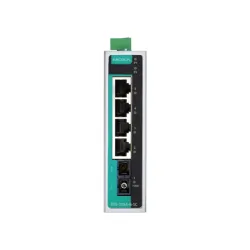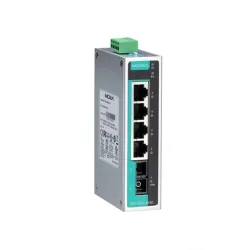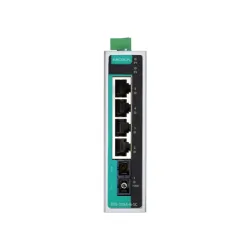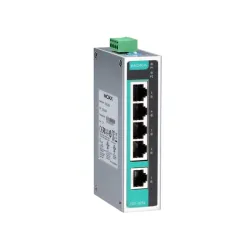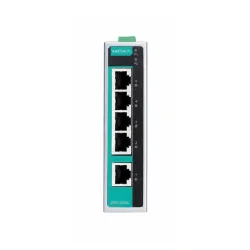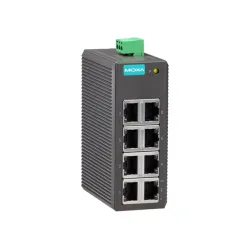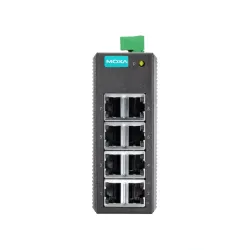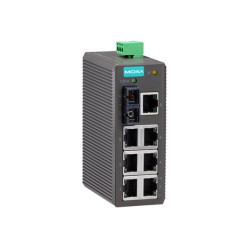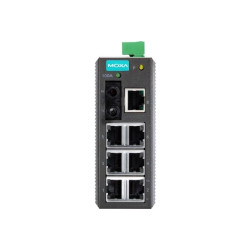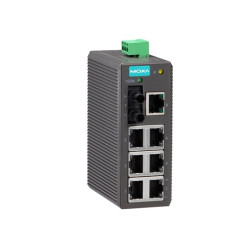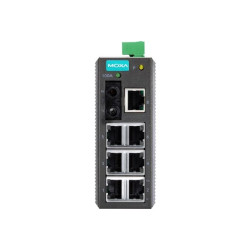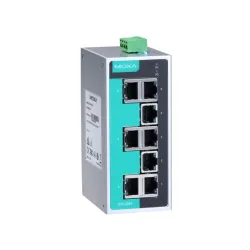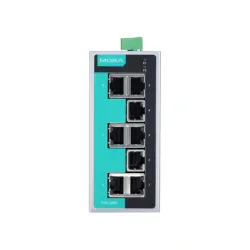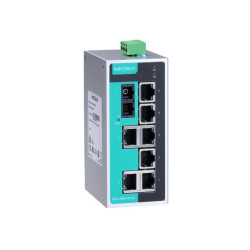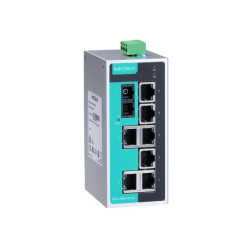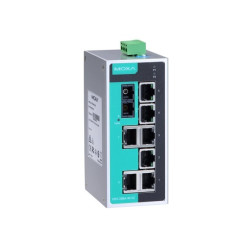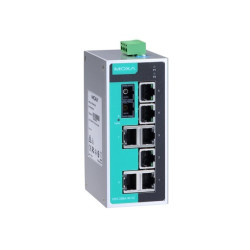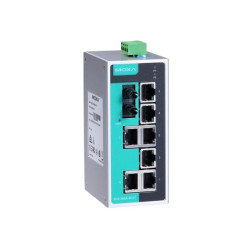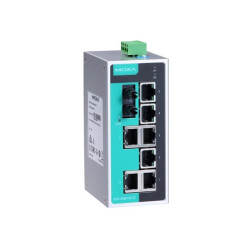
Moxa Industrial Ethernet Switches provide network
connectivity for industrial automation and infrastructure applications. The
product portfolio includes different switch types, from unmanaged switches for
basic connectivity to managed switches with advanced network management
capabilities.
Available options include smart switches, Layer 2 and Layer
3 managed switches, PoE switches, rackmount switches, railway Ethernet
switches, and Two-Wire Ethernet Switches based on SPE and Ethernet-APL
technologies. This range allows users to select network connectivity solutions based
on their application requirements, installation environment, and network
design.
Moxa industrial switches are designed with features such as
network redundancy, industrial-grade reliability, and network management
capabilities to support industrial Ethernet infrastructure.
Ethernet Switches – Key Specifications
The specifications of an industrial Ethernet switch depend
on its type and intended application. When selecting a switch, consider the
following technical parameters:
- Ethernet Port Configuration: Number and type of Ethernet
ports available for connecting industrial devices and network equipment.
- Network Speed: Available Fast Ethernet, Gigabit Ethernet,
and higher-speed connectivity options, depending on the switch.
- Copper and Fiber Interfaces: Copper Ethernet ports and
fiber-optic connectivity options for different cabling and transmission
requirements.
- Power over Ethernet (PoE): Selected switches support PoE
technologies to deliver power and data through a single Ethernet cable.
- Switch Management: Options include unmanaged, smart, and
managed switches with different levels of network configuration and monitoring.
- Power Input: Power supply requirements and available power
input configurations vary by switch type.
- Operating Temperature: Industrial temperature specifications
depend on the selected model and its intended operating environment.
- Installation and Mounting: Available designs include
DIN-rail, rackmount, and other installation options.
- Industrial Standards and Certifications: Certain switch
categories are designed to meet specific industry standards, such as EN 50155
for railway applications.
Always check the individual product datasheet to confirm
exact specifications and compatibility with your application.
Ethernet Switches – Key Features
Moxa Industrial Ethernet Switches offer different features
to support industrial network connectivity, management, and reliability
requirements.
- Industrial-Grade Design: Selected switches are designed for
operation in demanding industrial environments.
- Flexible Network Management: Unmanaged, smart, and managed
options support different levels of network configuration, monitoring, and
control.
- Network Redundancy: Supported redundancy technologies help
maintain network communication when a network path is interrupted.
- PoE Connectivity: PoE switch options provide both Ethernet
data and electrical power to compatible connected devices.
- Copper and Fiber Connectivity: Different interface options
support a range of industrial network layouts and connection distances.
- Layer 2 and Layer 3 Networking: Available switch types
support different switching and routing requirements.
- Flexible Installation: Product options include compact
industrial switches and rackmount designs for different installation
environments.
- Application-Specific Options: Specialized categories include
railway Ethernet switches and Two-Wire Ethernet Switches using SPE or
Ethernet-APL technologies.
Feature availability varies by switch type and model. Refer
to the relevant datasheet for detailed information.
Ethernet Switches – Supported Technologies
The supplied series datasheets document the following
technologies and interfaces. Availability varies by model.
- IEEE 802.1Q VLAN: Divides network traffic into separate
logical groups for network organization.
- IEEE 802.1p QoS: Supports traffic prioritization for
critical network data.
- RSTP and STP: Provide spanning-tree-based network
redundancy.
- Turbo Ring and Turbo Chain: Provide alternative industrial
network redundancy mechanisms.
- MRP: Supports Media Redundancy Protocol for network
availability.
- SNMP: Enables network monitoring and management through
supported SNMP versions.
- EtherNet/IP, PROFINET and Modbus TCP: Support
communication and integration with industrial automation systems on compatible
models.
- IEEE 802.3af/at: Defines PoE and PoE+ functionality on supported switches.
Ethernet Switches – Typical Applications
Industrial Ethernet switches connect automation equipment,
control systems, and network devices across a wide range of industrial and
infrastructure environments.
Typical applications include:
- Factory Automation: Connecting PLCs, HMIs, industrial
controllers, sensors, and other automation equipment across production
networks.
- Process Automation: Providing Ethernet connectivity for
industrial control and monitoring systems in process facilities.
- Power and Energy Infrastructure: Supporting communication
networks used in power generation, substations, and energy distribution
applications.
- Railway and Transportation Systems: Connecting onboard and
trackside network equipment in railway and other transportation environments.
- Industrial Surveillance: Providing network connections for
IP cameras and other surveillance devices, with PoE options available for
compatible equipment.
- Building and Infrastructure Networks: Connecting network
devices and automation systems across industrial and infrastructure
installations.
- Industrial Edge Connectivity: Linking field devices and
control equipment to wider industrial Ethernet networks.
The appropriate switch depends on the required network
architecture, connected devices, communication speed, installation conditions,
and application-specific standards.
Selecting the appropriate switch architecture allows buyers
to match network capabilities to their actual infrastructure requirements.
- Flexible Network Design: Choose between unmanaged, smart
managed, managed, and modular architectures.
- Simplified Deployment: Unmanaged models provide Ethernet
connectivity without advanced configuration requirements.
- Network Visibility: Managed models offer monitoring and
diagnostic capabilities for network administration.
- Reduced Cabling Requirements: Supported PoE models combine
data connectivity and power delivery for compatible devices.
- Expandable Infrastructure: Modular models allow network interfaces to be adapted through interchangeable modules.
Industrial Ethernet Switch Types
| Switch Category | Description |
|---|---|
| Unmanaged Switches | Industrial Ethernet switches designed for basic network connectivity without advanced configuration or management. |
| Layer 2 Smart Switches | Smart Ethernet switches offering essential network management and configuration capabilities. |
| Layer 2 Managed Switches | Managed switches providing Layer 2 network management, monitoring, traffic control, and redundancy features. |
| Layer 3 Managed Switches | Managed switches supporting Layer 3 networking and routing between different network segments. |
| PoE Switches | Ethernet switches with Power over Ethernet options for supplying power and data to compatible network devices. |
| Rackmount Switches | Industrial Ethernet switches designed for rack-mounted network installations. |
| EN 50155 Switches | Ethernet switches designed for railway applications and EN 50155 requirements. |
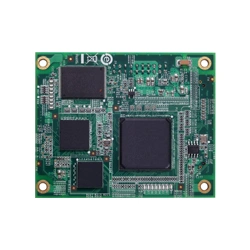
| Ethernet Embedded Modules | Embedded Ethernet switch modules designed for integration into other electronic and industrial products. |
Two-wire Ethernet Switches (SPE/APL) | Industrial Ethernet switches using Single Pair Ethernet
(SPE) and Ethernet-APL technologies to transmit data and power over a single
twisted pair. |
Choosing the Right Ethernet Switch
Choosing the right industrial Ethernet switch depends on
your network requirements, application environment, and the level of network
management you need. Different switch types are designed to support different
industrial networking needs.
- Unmanaged Ethernet Switches: A simple option for
applications that need basic Ethernet connectivity without network
configuration or management. They are suitable for straightforward industrial
networks.
- Smart Ethernet Switches: Offer selected network management
features while keeping configuration relatively simple. They provide more
control than unmanaged switches for applications with moderate network
requirements.
- Layer 2 Managed Ethernet Switches: Provide advanced
network management and traffic control features. They are suitable for
industrial networks that require network monitoring, redundancy, and improved
traffic management.
- Layer 3 Managed Ethernet Switches: Support Layer 3 routing
capabilities in addition to Layer 2 switching. They are useful for larger or
more complex industrial networks that need communication between different IP
subnets.
- PoE Ethernet Switches: Deliver both data and electrical
power over Ethernet cables to compatible devices, such as IP cameras and
wireless access points. They can help simplify installation by reducing the
need for separate power connections.
- Rackmount Ethernet Switches: Designed for installation in
industrial racks and control cabinets. They are suitable for applications that
require multiple Ethernet connections in a centralized installation.
- EN 50155 Ethernet Switches: Designed for railway
applications where equipment must meet relevant railway standards and
environmental requirements.
- Two-Wire Ethernet Switches (SPE/APL): Use Single Pair Ethernet (SPE) or Ethernet-APL technology to transmit Ethernet data over a single pair of wires. These switches support connectivity in applications where traditional Ethernet cabling may not be suitable.
Ethernet Switches – FAQs
What types of Moxa Ethernet Switches are available?
Moxa offers unmanaged, smart managed, managed, PoE, and modular Ethernet switches. The available configurations differ in port count, network management functions, fiber connectivity, and power options.
What is the difference between managed and unmanaged Ethernet Switches?
Unmanaged switches provide straightforward Ethernet connectivity without advanced network configuration. Managed switches offer additional capabilities such as network monitoring, VLAN configuration, traffic management, and redundancy protocols.
Do Moxa Ethernet Switches support fiber connections?
Yes. Selected models support fiber Ethernet interfaces, including multi-mode and single-mode connections. The available fiber connector types and port configurations depend on the specific model.
Do Moxa Ethernet Switches support PoE?
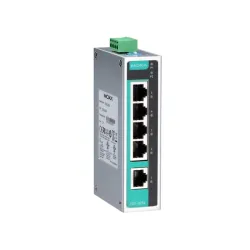
Yes. Selected models support IEEE 802.3af/at PoE and PoE+. For example, the EDS-P206A Series provides four PoE ports with up to 30 W output per port.
Are Moxa Ethernet Switches suitable for railway applications?
Yes. The TN-4500A Series is designed for railway applications, including rolling stock and wayside installations, and complies with the mandatory EN 50155 test items.
Which Moxa Ethernet Switches are designed for power substations?
The PT-7528 Series is designed for power substation
automation applications. It supports IEC 61850-3 and IEEE 1613 requirements and
includes a built-in MMS server for power SCADA.